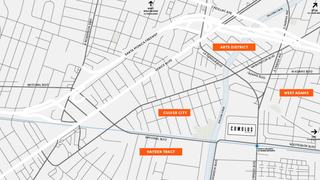
Where is Culver City? Is it part of LA?
Located 10 miles west of downtown Los Angeles, Culver City offers easy Westside access to the Pacific Ocean. While it's entirely surrounded by various neighborhoods of the city of Los Angeles, Culver City is not part of LA. It's a completely independent, incorporated city with its own municipal government, school district, and police and fire departments.
What's it known for?
Historically celebrated as the "Heart of Screenland," Culver City is famous for its unique blend of century-old movie magic, a booming tech landscape, and a walkable, neighborhood-centric culture.
- A Full-Scale Media and Tech Ecosystem: It’s evolved into a powerhouse creative capital, serving as the Southern California base for massive digital media and streaming giants like Apple, Amazon MGM Studios, and TikTok.
- Working Movie Town Buzz: Unlike tourist-heavy Hollywood, it’s an active production hub where it’s entirely common to see film crews blocking off a street or industry professionals working at local cafes.
- Exceptional, Chef-Driven Dining: Widely recognized as one of the Westside’s premier culinary destinations, packed with top-tier restaurants, artisan coffee shops, and open-air food hubs.
- Westside Walkability: It breaks the typical "car-centric LA" stereotype with a compact, highly pedestrian-friendly design.
- Highly Rated, Independent Schools: Because it’s an independent city, it features its own highly sought-after school district—CCUSD—a major draw for long-term residents.
- Avant-Garde Architecture: It’s known for its bold design culture, from creatively reimagined former industrial zones like Hayden Tract, to Eric Owen Moss-designed buildings like the twisted towers of The Waffle, to the famous Pterodactyl complex.
Who Lives Here?
Culver City has a population of roughly 40,000 residents. According to the U.S. Census Bureau QuickFacts for Culver City, the racial and ethnic breakdown is approximately 45% White (non-Hispanic), 20% Asian, 20% Hispanic, and 7% Black. Additionally, 62.4% of adults hold a bachelor’s degree or higher.
The population is primarily divided into three groups:
- Tech and Entertainment Professionals: Because major campuses for Sony Pictures, Apple, Amazon MGM Studios, TikTok. and Scopely are located here, the area has a high concentration of industry executives, engineers, and creatives.
- Families: Unlike the rest of Los Angeles, Culver City operates its own independent school district (CCUSD). The reputation of these schools attracts families who move here specifically for the public school system.
- Longtime Homeowners: Alongside newer tech workers, there is an established community of multi-generational residents who live in quiet residential pockets like Carlson Park and Sunkist Park.
The median age is around 41, which is slightly older than the LA County average. Mid-rise apartment developments (like ARQ) near the E Line stations and the Arts District attract single professionals in their 20s and 30s, while single-family home neighborhoods attract families and retirees.
What’s the commute like?
Culver City sits right at the intersection of the Westside and Central LA, making it a super-practical base for getting around the city:
By Car
Driving from Culver City depends heavily on rush hour patterns, as the city sits right between the I-10 and the 405.
* Heading West (Santa Monica/Venice): The morning drive to the coast takes about 15–20 minutes. The evening return rush hour heading back east into Culver City typically doubles that commute time.
* Heading East (DTLA): Taking the I-10 east to Downtown LA takes roughly 25–45 minutes during peak morning traffic.
* Surface Streets: When freeways gridlock, drivers rely on major parallel arteries like Washington, Venice, and Jefferson Boulevards to move across the Westside.
By Public Transport
Culver City is one of the more transit-friendly parts of LA, largely due to its light rail access.
* The Metro E Line: With access to both the central Culver City Station and the nearby La Cienega/Jefferson stop (located right near ARQ), this elevated line completely bypasses traffic. It's especially convenient for commuting straight into Downtown LA (~25 minutes) or Santa Monica (~15 minutes), avoiding traffic gridlock and expensive parking.
* Culver CityBus: The city operates its own independent local bus network separate from LA Metro. It’s an efficient, low-cost way to get around the area, with Line 6 offering a direct route straight down to the LAX Metro Transit Center.
How Walkable is it?
While Culver City is one of the most pedestrian-friendly areas in Los Angeles County, walkability varies by pocket.
- The Walkable Hubs: The Downtown district and the Arts District are highly walkable. Residents here can easily walk to restaurants, coffee shops, and the central E Line metro station without a car.
- The Cumulus District: Highly walkable for immediate daily essentials; a large Whole Foods, coffee shops, and the La Cienega/Jefferson E Line station. Neighboring areas like Downtown Culver City are more easily reached by the E Line or car.
- The Residential Pockets: Neighborhoods like Sunkist Park and Carlson Park feature quiet, tree-lined streets that are great for walking or getting to local parks, but you'll need a car for daily grocery runs and errands.
By Bike
Culver City features some of the most cohesive cycling infrastructure in Los Angeles County, heavily catering to both daily commuters and recreational riders.
* MOVE Culver City Network: The city features an integrated network of dedicated mobility lanes. The MOVE Culver City Eastern Segment directly connects the Downtown Corridor to existing LA infrastructure on Adams Boulevard, creating a 4.5-mile continuous bikeway straight into West Adams.
* Protected Upgrades: Major thoroughfares like Elenda Street and Overland Avenue feature dedicated, concrete-curb-protected lanes that physically isolate cyclists from vehicle traffic.
* Ballona Creek Bike Path: This fully paved, 8.5-mile dedicated trail bypasses all vehicle traffic entirely. The Ballona Creek Bike Path cuts right through Culver City, allowing riders to travel directly from the neighborhood down to the beach at Playa del Rey.
How far is Culver City from:
- LAX: 6 miles
- Santa Monica & Venice Beach: 7 miles
- Downtown Los Angeles (DTLA): 9-10 miles
- Beverly Hills: 4 miles
- Hollywood: 8 miles
- Manhattan Beach: 12 miles
What areas border Culver City?
- Palms (NORTH): A highly walkable, dense residential neighborhood that sits directly north of Downtown Culver City.
- Mar Vista (NORTH): Directly north and northwest of Culver City's panhandle.
- Westchester (SOUTH): Borders the southern edge of Culver City near the Fox Hills area.
- Ladera Heights (SOUTH): An upscale neighborhood bordering the southeastern edge.
- West Adams (EAST): Borders the eastern edge of Culver City right where the Cumulus District sits.
- Mid-City / Mid-City Heights (EAST): Directly north of West Adams, bordering the northeastern tip of Culver City.
- Baldwin Hills (EAST): Sits directly to the east, featuring the scenic overlook and hiking trails that look down into Culver City.
- Venice (WEST): Borders the far western tip of Culver City.
- Del Rey (WEST): Sits directly west, separating Culver City from Marina del Rey.
- Playa Vista (WEST): Directly southwest, anchoring the major tech hub of Silicon Beach.
What’s the arts & culture scene like?
Culver City combines a historic filmmaking legacy with a highly concentrated modern arts scene, making it one of the primary cultural hubs on the Westside.
Visual Arts & Design
The local scene centers around the Culver City Arts District along Washington Boulevard and the historic Helms Bakery District, which features independent design showrooms, architecture firms, and curated retail. The city also operates an active Art in Public Places Program—featuring a self-guided walking tour—and the neighborhood-focused "Colorful Communities" public art poster program. Key institutions include:
- The Museum of Jurassic Technology: Located on the northern border on Venice Boulevard, this eccentric institution blends obscure scientific facts, micro-miniature sculptures, and historical oddities.
- The Wende Museum: A museum and archive dedicated to Cold War history. The campus features the Glorya Kaufman Creative Community Center on Culver Blvd, providing free community art spaces and artist housing.
- Border-District Galleries: Located just across the Los Angeles city line on the eastern edge of the arts district, major contemporary galleries like Blum, Honor Fraser, and Thinkspace Projects anchor the local gallery scene, showcasing everything from international fine art to emerging street art.
Performing Arts & Community Events
Culver City operates several independent theater spaces and hosts regular live musical performances, alongside major community cultural events like the annual Lunar New Year Festival at The Culver Steps in Town Plaza. Major venues and companies include:
- Kirk Douglas Theatre: A 317-seat venue operated by the Center Theatre Group that hosts premier, cutting-edge theater productions and new plays.
- The Actors' Gang: An avant-garde ensemble theater company based in the historic Ivy Substation, founded and led by artistic director Tim Robbins.
- Culver City Symphony Orchestra: A community fixture that performs classical concert series throughout the season.
Screenland
Nicknamed "The Heart of Screenland," Culver City’s identity is permanently tied to film history and modern streaming production.
- Sony Pictures Studios: Occupying the historic Metro-Goldwyn-Mayer (MGM lot, this active studio is where classics like The Wizard of Oz and Singin' in the Rain were filmed. The lot remains a major production hub and offers public walking tours.
- The Culver Studios: Originally founded by movie pioneer Thomas Ince, this landmark lot was the filming site for Gone with the Wind and King Kong. The historic mansion studio serves as a modernized production headquarters for Amazon MGM Studios.
What’s the food & dining scene like?
Culver City is one of the premier dining destinations on the Westside, offering a dense concentration of critically acclaimed places to eat. Also check out our guides to Great Places For Dinner in Culver City and The Best Brunch and Breakfast in Culver City.
- Downtown & The Culver Steps: The walkable downtown core serves as the primary culinary hub. The area features a mix of upscale outdoor dining, established local favorites, and trendy spots ranging from artisanal burger joints to high-end cocktail bars.
- The Platform & Arts District: Located near the E Line station, Platform is an open-air design and shopping collection known for hosting chic, chef-driven concepts, boutique coffee shops, and popular boba spots.
- The Helms Design District: A historic, revitalized district with award-winning bakeries, specialized coffee roasters, and acclaimed sit-down restaurants nestled alongside interior design showrooms.
How is Culver City changing?
Culver City's evolving identity reflects a blend of its cinematic past and its future as a tech and creative center.
An innovactive influx of tech and streaming companies is attracting new residents to the area while driving a creative wave of fresh restaurants, retail, and local businesses. This neighborhood growth is anchored by new community hubs like the public plaza and retail corridor at The Culver Steps, and expansive mixed-use developments like the Cumulus District.
These walkable new districts complement the town's established charm, breathing new life into established neighborhoods like Culver City's historic Main Street and to the Sony Pictures corridor.
To support this growth and momentum, the city's RHNA (Regional Housing Needs Allocation) calls for 3,341 new homes by 2029. This goal is currently being met through zone changes that now allow residential development across 80 percent of the city, transitioning the neighborhood into a more walkable, mixed-use community.
Who is Culver City Best for?
Culver City offers the economic power of a major urban hub alongside the quiet infrastructure of a dedicated suburb. It's wonderful fit for:
- Tech & Entertainment Professionals: Those working at Amazon MGM Studios, Apple, Sony, or TikTok enjoy an absolute "commute-free" lifestyle, entirely bypassing LA's freeways by walking, biking, or scootering to work.
- Dual-Commuter Couples: Positioned right in the middle of the Metro E Line, it is highly strategic for people traveling in opposite directions. The light rail completely bypasses traffic, hitting Downtown Santa Monica in 17 minutes and Downtown LA in 26 minutes.
- Growing Families: Parents prioritize the area because it operates its own independent school district (CCUSD) rather than falling under LAUSD, offering highly rated public schools in a central location.
- Car-Lite Urbanites & Cyclists: Exceptional bike infrastructure defines the area. It features the continuous 4.5-mile MOVE Culver City Eastern Segment connecting Downtown to West Adams, and the car-free Ballona Creek Bike Path running straight to the beach.
Who is it NOT best for?
Despite its perks, the neighborhood is a poor fit for certain financial profiles and lifestyles:
- Space-First Renters and Buyers: Culver City is a premium Westside market where you are investing heavily in location, lifestyle, and infrastructure. If you're looking to maximize raw square footage or want a massive backyard for your budget, neighboring markets further from the coastal transit line will have more space.
- Nightlife Seekers: The evening scene revolves entirely around sit-down dining, cocktail bars, and theater. If you want high-energy nightclubs, live music venues, or 2:00 AM street activity, look to West Hollywood or Koreatown.
- Multi-Car Households Relying on Street Parking: The local government strictly enforces residential permits on a block-by-block basis, alongside meticulous street-sweeping and meter citations. Without a dedicated garage space, multiple cars are a daily logistical headache. (Note: ARQ provides parking for an additional fee, including tandem spaces.)
- Anyone Seeking an "Unregulated" Vibe: Because Culver City operates an independent local government with its own police, fire department, and strict municipal code, civic oversight is highly visible. If you prefer the relative anonymity and relaxed enforcement of broader LA, the oversight here will feel restrictive.
Cumulus Convenience
ARQ is an innovative new luxury high rise that positions you near the best of Culver City. Explore the local design scene, go gallery hopping, hike Baldwin Hills—it’s all within walking distance of home. Enjoy luxe amenities from our roof pool terrace to the fitness center and spin/yoga studio, all while living by Whole Foods and the La Cienega/Jefferson Station E Line.